Undead Franchises: Ranking Video Game Series That Refused to Stay in the Grave
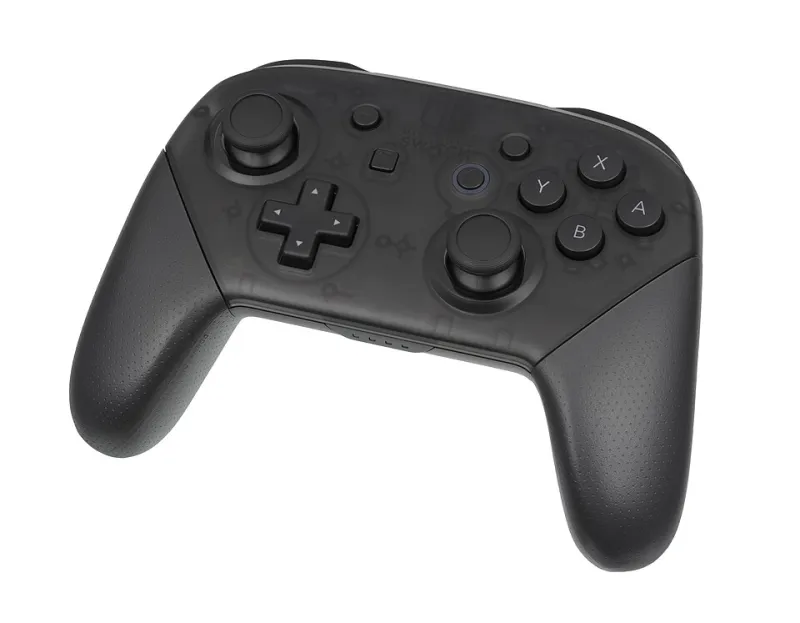
Photo: Evan-Amos, Public domain, via Wikimedia Commons
There's a particular kind of video game sequel that arrives like an uninvited relative at Thanksgiving. Nobody sent them an invitation. Nobody cleared out the guest room. And yet there they are, sitting at the table, asking you to drop $59.99 on them like nothing happened. The wild part? Sometimes you do it. Sometimes everyone does it.
This is our definitive tier list of video game franchises that had absolutely no business continuing — and yet here we are, decades later, still talking about them. Some earned their second (or fifth) chances. Others should have been quietly retired to a farm upstate. Let's get into it.
S-Tier: Surprisingly Good Continuation (Nobody Saw This Coming)
God of War (Post-2018)
After three mainline games, two PSP titles, and a mobile spinoff, most of us were ready to file God of War under "franchise fatigue." Kratos had screamed at every Greek deity imaginable. What was left? Apparently: Norse mythology, a son named Atreus, and enough emotional depth to make grown adults sob on a Tuesday afternoon. The 2018 reboot didn't just justify continuing the series — it retroactively made the original trilogy feel like prologue. Nobody asked for a dad-simulator starring an anger-management dropout, and yet it became one of the greatest games of its generation. S-Tier, no debate.
After the divisive DmC reboot in 2013, the Devil May Cry fanbase was... not calm about things. The discourse was genuinely unhinged. When Capcom announced a proper DMC5, the reaction was cautious optimism wrapped in years of accumulated trauma. What they delivered was a stylish, confident, absolutely unhinged love letter to the franchise that remembered exactly what made it special. V alone justified the entire budget. Unasked for. Absolutely deserved.
A-Tier: Earned Their Keep (Eventually)
Yakuza / Like a Dragon Series
Yakuza launched in the US to relative silence. The sequels launched to slightly louder silence. For years, Sega kept localizing these games while American audiences collectively shrugged. Then something shifted. Maybe it was Game Pass exposure. Maybe it was the turn-based pivot with Like a Dragon: Ishin. Maybe Ichiban Kasuga is just that charming. Whatever happened, a franchise that had no business thriving in the Western market now has a dedicated, almost cult-like fanbase that will fight you over Majima discourse. Respect.
Tony Hawk's Pro Skater 1+2 (2020)
After Tony Hawk's Pro Skater 5 — which we will not discuss further out of respect for the deceased — nobody was asking for another entry in this franchise. The series had been so thoroughly run into the ground that it had become a cautionary tale in gaming circles. Then Vicarious Visions dropped the 1+2 remake and reminded everyone why they memorized every combo in the Warehouse level back in 1999. A clean, confident resurrection that proved the IP wasn't the problem. The execution was.
B-Tier: Fine, We'll Allow It
Crash Bandicoot N. Sane Trilogy and Sequels
Crash's revival was warmly received, but the subsequent original entries — Crash 4: It's About Time specifically — occupied a weird space where they were genuinely good games that struggled to find the cultural footprint of the originals. It's About Time was a solid, inventive platformer that most people played, appreciated, and then immediately forgot existed. Not a failure. Not a triumph. Just... a game that exists and is fine. B-Tier is honest.
Kingdom Hearts (Everything After KH2)
We could write a dissertation on this franchise's refusal to end. Chain of Memories, 358/2 Days, Birth by Sleep, Dream Drop Distance, a mobile game, 0.2, and eventually Kingdom Hearts 3 — which itself ended on a cliffhanger setting up more sequels. At some point, the continued existence of this franchise stops being a celebration and starts being a philosophical question about what endings even mean. The games are fun! The lore is genuinely unhinged in a way that inspires real affection! But at some point you have to ask who greenlit the seventh entry in a series where the plot involves hearts and darkness and a man named Xehanort.
C-Tier: We Get It, You Have the License
Call of Duty (2019-Present)
Look. Call of Duty has been releasing annual entries since 2005. At some point it stopped being a franchise and became more of a subscription service you didn't sign up for. Each new installment arrives, generates discourse, sells several million copies, and then everyone moves on. There's an audience for it — clearly, always — but the creative ambition visible in Modern Warfare 2 or Black Ops 2 has been replaced by something more algorithmic. It's not bad. It's just relentless in a way that feels less like passion and more like obligation.
Assassin's Creed (Origins Era and Beyond)
The pivot to RPG mechanics wasn't universally unwelcome, but watching Assassin's Creed transform from a stealth-focused historical thriller into an open-world checklist simulator was... a journey. Origins was genuinely great. Odyssey was enormous. Valhalla was very enormous. Mirage was a course correction. Each entry is technically competent and each one feels slightly less urgent than the last. The franchise refuses to die. It also refuses to fully commit to any single identity. That's a C-Tier energy.
D-Tier: We Get It, Stop
Sonic the Hedgehog (2006–2017 Era)
Sonic '06 is the franchise's most famous disaster, but the remarkable thing is that it didn't stop anything. Forces, Rise of Lyric, Lost World — the series kept shipping products that ranged from mediocre to genuinely disrespectful of the player's time. The Sonic fanbase absorbed each disappointment with the energy of someone who has been through too much to be surprised anymore. Sonic Frontiers and the movies have started genuinely rehabilitating the IP, which makes this era even sadder in retrospect. The signs were always there. The games kept coming anyway.
Final Thoughts
Here's the thing about undead franchises: the fact that they survived isn't always a mistake. Sometimes a series just needs the right creative team, the right moment, or the right pivot to prove its continued existence was worth it. God of War 2018 is proof. So is Devil May Cry 5.
But for every franchise that earned its resurrection, there's one that just... kept going because the license existed and someone had a quarterly target to hit. The market decides, eventually. The tier list is forever.
Debate us in the comments. We're ready.
